
Field archery target faces aren't interchangeable with standard 10-ring faces. They follow different color patterns, different ring counts, and different scoring rules depending on which organization sanctions your shoot. Get the wrong one and you're either practicing against rules that won't apply on tournament day, or wearing out backstops faster than necessary.
This guide breaks down the two major field face types, the sizes that matter, the materials worth your money, and how to match faces to your backstop so nothing tears, slips, or fails you mid-round.
TL;DR
- WA field rounds use yellow/black faces with a 6-point X-ring; IFAA/NFAA use black/white faces with a 5-point spot
- Face size should match shooting distance, from 20 cm indoor faces to 122 cm long-range faces
- Material matters: reinforced paper works indoors, synthetic/polypropylene holds up outdoors
- Pair faces with a durable backstop like Morrell High Roller Foam targets to protect scoring accuracy
What is a Field Archery Target Face?
A field archery target face is a marked paper or synthetic face with concentric scoring rings, purpose-built for field rounds rather than the standard 10-ring Olympic-style target. Two governing bodies dominate the format: World Archery (WA) and the International Field Archery Association (IFAA), with the NFAA using a closely related American variant.
Core Components of a Field Archery Target Face
Every field face shares the same basic anatomy, but the details shift depending on which rulebook you're shooting under.
Scoring rings and X-ring
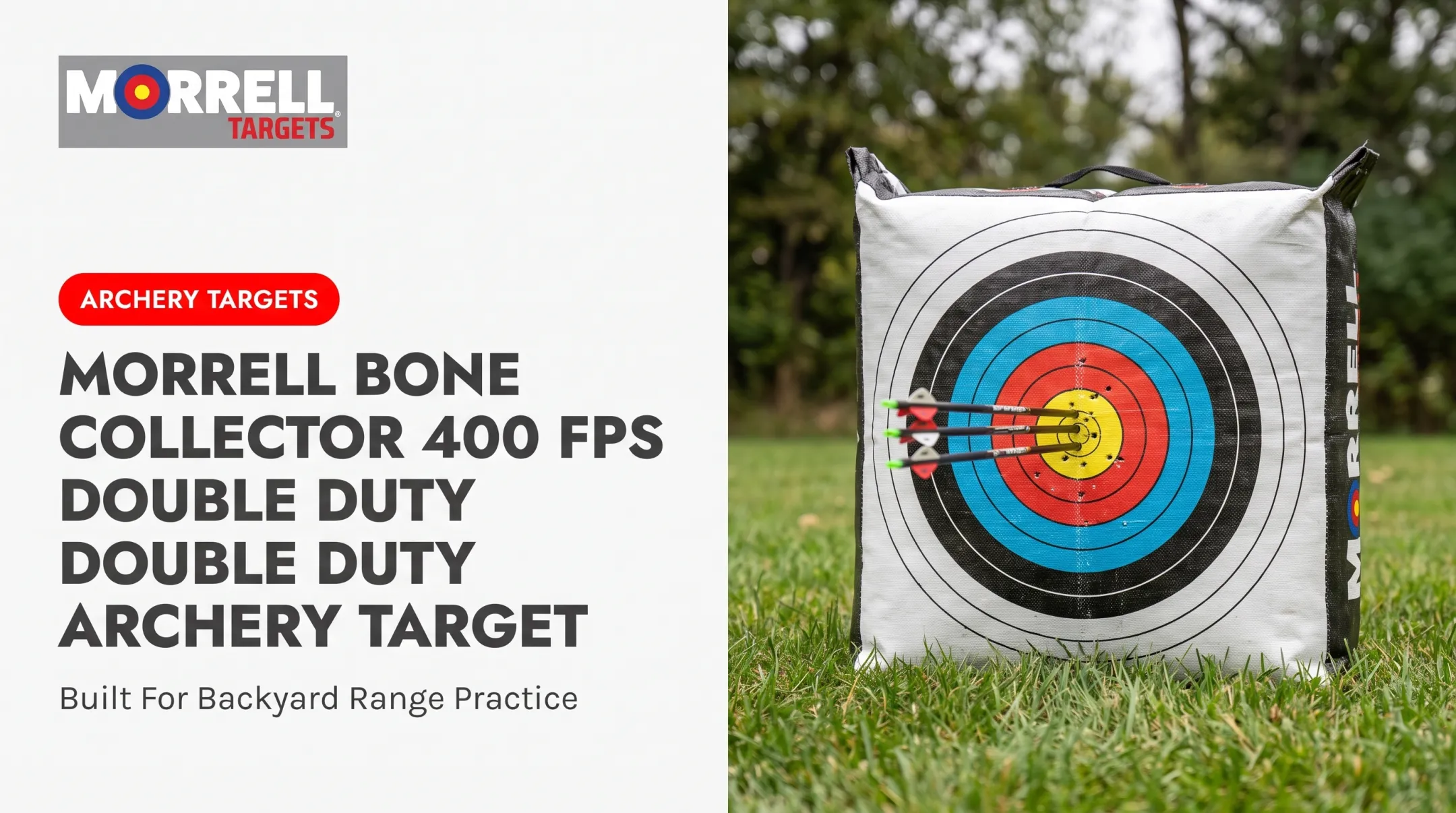
WA field faces use six scoring zones from the center out: 6 and 5 points in the yellow, then 4, 3, 2, and 1 in the black, per World Archery's official field archery page.
IFAA faces work differently. The IFAA Book of Rules defines five scoring values (5, 4, 3, 2, 1), with the center white X used only as a tiebreaker, not for bonus points.
Color zones
- WA faces: yellow center, black outer rings
- IFAA faces: black spot, white inner ring, black outer ring
- NFAA faces (close IFAA cousin): black spot with 5, white ring worth 4, outer black ring worth 3

Material/print quality
A washed-out or torn face doesn't just look bad. It costs you scoring accuracy. Weatherproof synthetic faces hold their color and lines through rain and humidity, while reinforced paper faces are better suited to covered or indoor ranges.
Benefits of Using Proper Field Archery Target Faces
Proper field faces deliver:
- Consistent scoring across practice sessions and tournaments
- Tournament-legal faces so scorecards stay valid under WA, IFAA, and NFAA rules
- Clear training feedback from crisp lines that show true grouping
- Longer usable life when paired with a backstop that absorbs impact evenly
What to Consider When Choosing the Best Field Archery Target Face
Choosing the right face isn't about brand loyalty. It comes down to a handful of practical factors: which rules you shoot under, how far and where you're shooting, what backstop you own, how clear the face stays at distance, and whether you're practicing or competing. Nail these and everything else falls into place.
Discipline and Rule Set (WA vs IFAA)
Scoring rules aren't just cosmetic differences. WA uses a line-touch convention, where an arrow only needs to touch the boundary line to score the higher value. IFAA and NFAA require the arrow to actually cut into the higher-scoring zone.
Shoot the wrong rule set in practice, and you'll walk into competition day with scores that don't match reality.
Size and Distance Compatibility
Field faces come in a handful of standard sizes, and matching size to distance keeps scoring fair and visible:
- 20 cm faces for close indoor positions (as short as 15 feet under NFAA rules)
- 35 cm faces for mid-short distances
- 50–65 cm faces for standard field distances (40–65 yards)
- 80–122 cm faces for long-range outdoor field rounds
Morrell manufactures faces spanning 40 cm to 122 cm, including 80 cm official NASP paper faces and large-format 122 cm faces built for long-distance outdoor field archery. Mismatch a small face to a long distance and your aiming point disappears before you draw.

Material and Weather Resistance
Outdoor ranges chew through paper faces fast, especially in humid climates. Synthetic and polypropylene faces resist water damage and hold their print longer, cutting replacement costs over a season.
Morrell's polypropylene faces, including the 28 x 42-inch Bedded Deer and 3 Spot faces, are weather-resistant and rated to withstand thousands of shots. Morrell paper faces, like the FITA Compound Paper Face, suit indoor or sheltered practice better than exposed ranges.

Target Face Design and Visibility
A faded face costs you accuracy. Color contrast between rings helps you aim precisely, especially past 50 yards where a washed-out yellow or gray-black bleeds together. Replace faces once contrast drops, not just when they physically tear.
Compatibility with Target Backstops
Your face is only as good as what's behind it. A face sized for an 80 cm mount that gets stretched over a 60 cm backstop will slip, tear, or bunch at the edges, throwing off your scoring even with perfect shooting. Match face diameter and material to your backstop's mounting system before you buy either one.
Intended Use (Practice vs Competition)
Practice sessions can tolerate a worn face with soft edges and faded rings. Competition can't. Regulation shoots require fresh, compliant faces every time, which matters for budgeting:
- Schools and clubs: budget for bulk paper faces for daily practice, reserve synthetic faces for meets
- Individual archers: rotate practice faces more often than tournament faces
- Commercial ranges: stock both tiers to serve casual shooters and league competitors
How Morrell® Targets Can Help
Morrell manufactures polypropylene and paper target faces for field-point practice, along with the backstops that hold them. A face is only as good as the target behind it.
IFS Internal Frame System and High Roller Foam technology are built for repeated field-style practice, no matter which face format you run.
Field-ready options include:
- Center Punch™ 49 FITA 1 Outdoor Range: supports interchangeable faces from 40 cm to 122 cm, stops arrows up to 450 FPS, built for tournament-style outdoor use
- M48 Commercial Range Target: rebuildable, two-sided, with replacement covers available so the frame outlasts multiple face and cover cycles
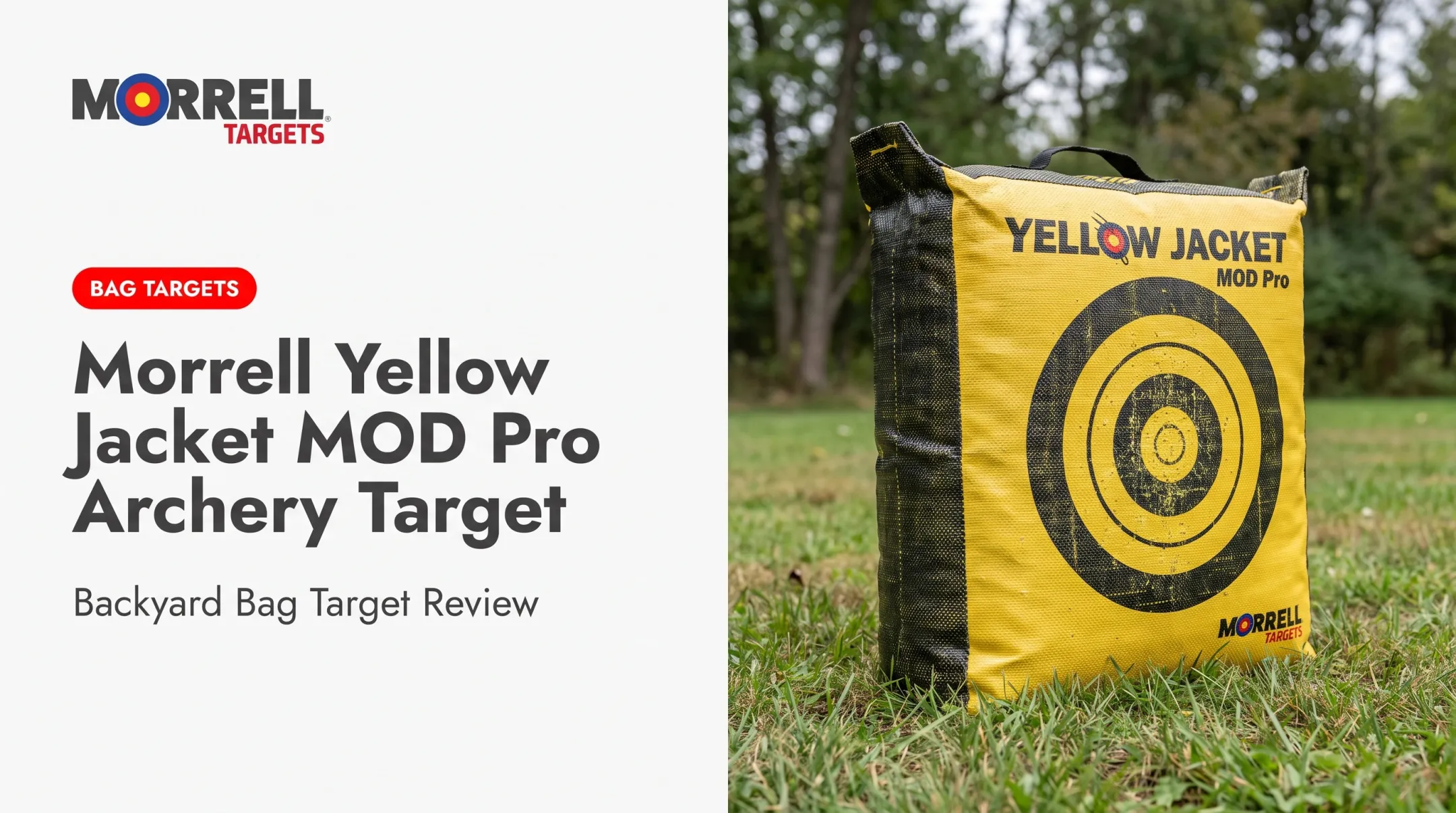
- Yellow Jacket® MOD Pro / MOD Pro 25: interchangeable Velcro-mounted wraps in 80 cm and NFAA 40/60 cm formats

What backs those faces:
- Over 40 years of manufacturing experience, Made in the USA
- Rebuildable targets with separately sold replacement covers
- Official NASP supplier status for school archery programs nationwide
- Trusted durability with schools, clubs, and competitive shooters across the country
Conclusion
Choosing the right field archery target face means matching discipline rules (WA or IFAA/NFAA), shooting distance, material durability, and backstop compatibility to how you actually shoot. Skip that matching process and you'll pay for it in torn faces, inconsistent scores, or a rejected scorecard at a sanctioned event.
Once you've got the right face and backstop pairing, check both periodically. Faded rings and worn foam cores don't announce themselves; they chip away at scoring accuracy until your groups look worse than your form suggests.
Frequently Asked Questions
What is the best material for making field archery target faces?
Weatherproof synthetic materials like polypropylene hold up best outdoors, resisting rain and humidity. Reinforced paper works fine for indoor or sheltered ranges but wears faster when exposed to weather.
What are the different types of field archery target faces?
World Archery (WA) field faces use yellow centers with black outer rings and a 6-point X-ring. IFAA and NFAA faces use black-and-white patterns with a 5-point spot, where the X only breaks ties.
What are the different sizes of field archery target faces?
Common sizes run from 20 cm for close indoor positions up to 122 cm for long-range outdoor field rounds, with 35, 50, 65, and 80 cm covering the distances in between.
What are some creative or popular field archery target face designs?
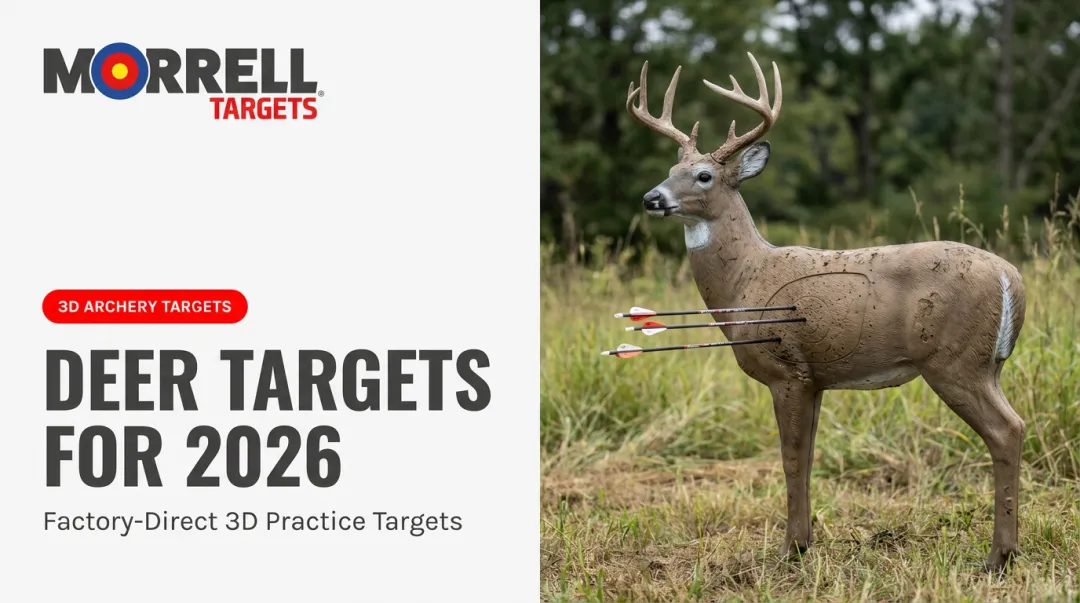
Novelty designs include 3D animal silhouettes, life-size coyote and whitetail faces, and multi-spot practice faces. These work great for variety in practice but aren't used for regulated competition scoring.
How does scoring differ between World Archery and IFAA/NFAA field faces?
WA field faces use a line-touch rule and a 6-point X-ring. IFAA and NFAA faces require the arrow to actually cut into the higher zone, with a 5-point spot and no bonus for the X.
How often should a field archery target face be replaced?
Replace faces once scoring becomes unclear, whether from shot volume, weather damage, or fading. There's no fixed schedule; it's driven by visible wear, not the calendar.